Description
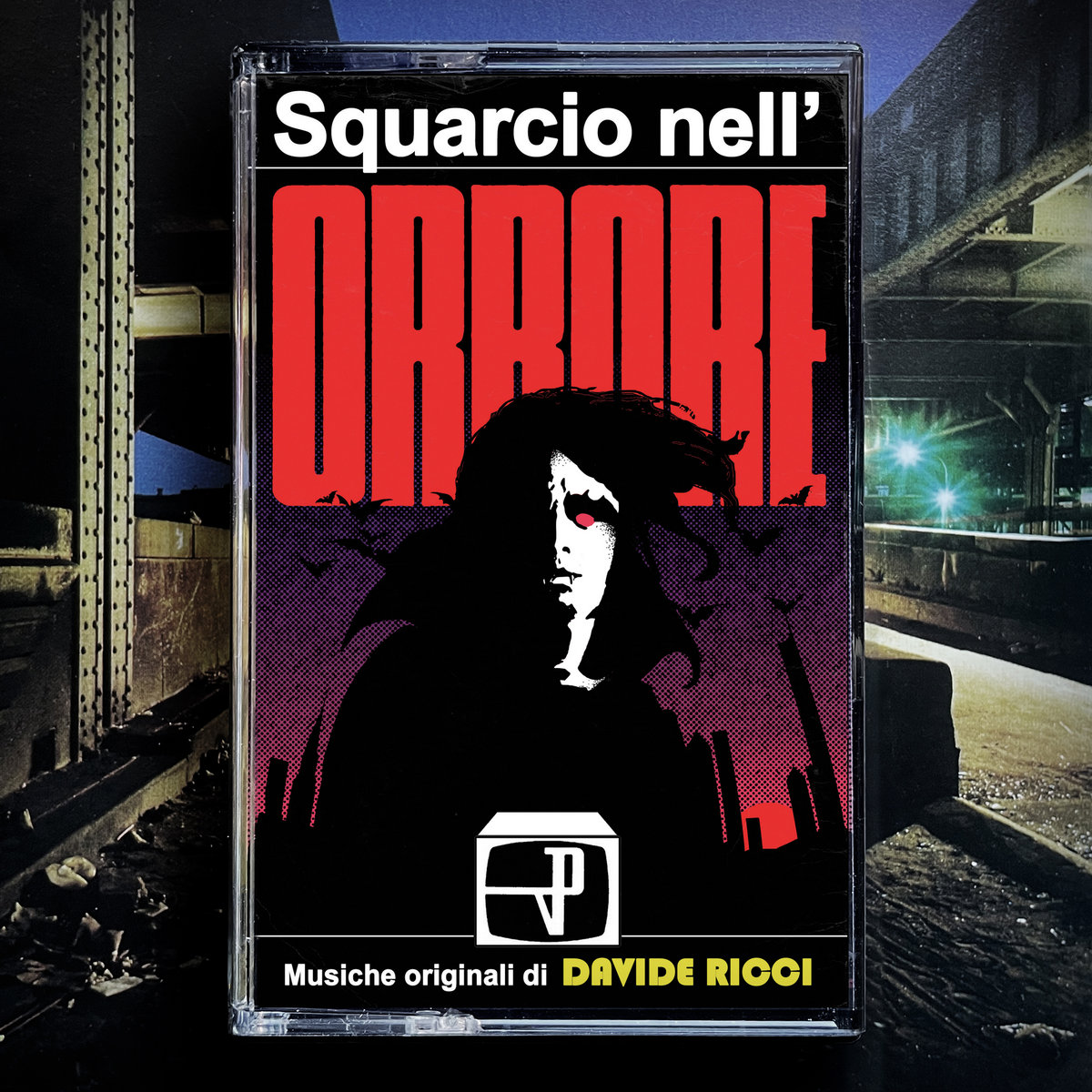
The first issue of SQUARCIO NELL’ORRORE is dedicated to the “two-page stories” that always appeared in horror comics of the 1950s, with music by the maestro Davide Ricci (HDK 132, HDK 169).
– – – – – – – – – – – – – – – – –
In the United States, from the 1940s until the late 1950s, pulp comic publishers needed to qualify their magazines as periodicals in order to obtain lower shipping rates (Second-Class Mail). To do so, they usually included a couple of pages of prose in addition to the illustrated panels, so that the publication would appear to be something more than just a comic book and thus qualify for postal discounts. This necessity gave rise to a form of residual literature, which we might define as “logistics-driven literature” or “service prose”: writing that did not originate from an artistic project, but from a material constraint.
The genre of two-page prose stories found in horror comic books of the 1940s and 1950s developed in the interstices of a production system, as filler designed to take advantage of a tax or postal exemption. It represents a peculiar case of literature that was not aimed at an audience, but instead responded to corporate needs.
These “two-page stories” were anonymous or attributed to fictitious authors using pseudonyms; they had a fixed and non-negotiable length, were written hastily, and were very poorly paid. Their residual nature and non-literary purpose often made this genre naïvely bold and unintentionally experimental.
Since this was literature produced simply because “someone had to write something,” the stories could be strange, unbalanced, poorly written, unsuccessful, or unappealing without any real consequences. After all, readers—who bought the magazine for the comics—encountered these stories by chance, often skipped them, or read them inattentively. This gave authors the freedom to tackle harsh themes, use a direct and cruel language, break readers’ expectations, ignore rules of good taste, and venture into open-ended or bizarre conclusions. Moreover, because these stories were written quickly, they were strongly influenced by current events and by themes widespread at the time: fashions, moods, fears, expectations, and contemporary cultural products.